 English
 Español
  Português
  русский
  Français
  日本語
日本語  Deutsch
  tiếng Việt
  Italiano
  Nederlands
  ภาษาไทย
  Polski
  한국어
한국어  Svenska
  magyar
  Malay
Malay  বাংলা ভাষার
  Dansk
Dansk  Suomi
Suomi  हिन्दी
  Pilipino
  Türkçe
  Gaeilge
  العربية
  Indonesia
  Norsk
Norsk  تمل
تمل  český
český  ελληνικά
  український
  Javanese
  فارسی
فارسی  தமிழ்
தமிழ்  తెలుగు
  नेपाली
  Burmese
  български
  ລາວ
ລາວ  Latine
  Қазақша
  Euskal
  Azərbaycan
  Slovenský jazyk
  Македонски
  Lietuvos
  Eesti Keel
  Română
  Slovenski
  मराठी
मराठी  Srpski језик

How Does a Pulse Vacuum Autoclave Improve Sterilization Efficiency?
Article Summary: Pulse vacuum autoclaves are advanced sterilization systems designed to overcome the limitations of traditional steam sterilizers. By using repeated vacuum and steam pulses, these devices efficiently remove trapped air and ensure deep steam penetration into complex loads. This article explains how pulse vacuum autoclaves work, the key challenges they address in sterilization workflows, the benefits they offer for healthcare and laboratory environments, and practical guidance for users considering a reliable sterilization solution.
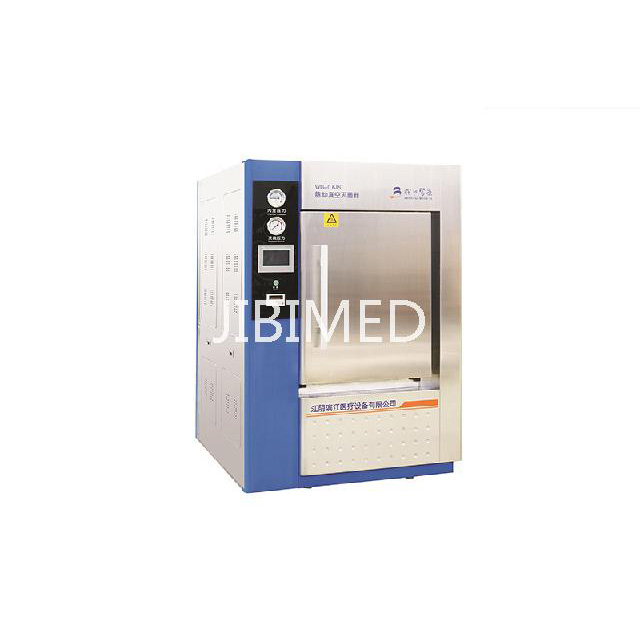
Table of Contents
- Introduction to Pulse Vacuum Autoclave
- How Pulse Vacuum Autoclaves Work
- Key Benefits of Pulse Vacuum Autoclaves
- Technical Specifications Overview
- FAQ: Common Questions About Pulse Vacuum Autoclaves
- Conclusion and Contact Us
Introduction to Pulse Vacuum Autoclave
Pulse vacuum autoclaves are high-performance sterilization systems used in hospitals, laboratories, pharmaceutical facilities, and research institutions. Unlike basic steam autoclaves, these systems implement a series of vacuum pulses prior to steam sterilization to actively evacuate trapped air from the chamber and load materials. Removing air pockets ensures that high-temperature saturated steam reaches every surface, including porous, hollow, or wrapped items — resulting in reliable sterilization outcomes.
Traditional autoclaves that rely solely on gravity displacement may leave residual air in the chamber or dense instrument loads, which can compromise steam contact and lead to ineffective sterilization. Pulse vacuum autoclaves address this key limitation through advanced vacuum technology, making them indispensable in environments where sterility is critical.
How Pulse Vacuum Autoclaves Work
The effectiveness of a pulse vacuum autoclave stems from its multi-stage cycle that alternates between vacuum and steam injection phases. Each cycle begins with vacuum pulses that extract air and moisture from the chamber, followed by steam injection to achieve sterilization temperature and pressure. After sterilization, the vacuum system aids in drying the load.
- Pre-Vacuum Phase: Air is removed from the chamber using vacuum pumps to ensure no pockets remain that block steam contact.
- Steam Penetration: Saturated steam enters and fills the chamber once air has been evacuated, making contact with all load surfaces.
- Pulsed Vacuum Cycles: Alternating vacuum and steam pulses enhance penetration into wrapped, porous, or hollow instruments.
- Drying Phase: Residual moisture is removed via vacuum, delivering sterilized and dry instruments ready for use.
Key Benefits of Pulse Vacuum Autoclaves
Pulse vacuum autoclaves provide several operational advantages over conventional steam sterilizers:
- Enhanced Sterilization Reliability: By eliminating trapped air and improving steam penetration, these autoclaves deliver consistent microbial kill rates across diverse materials.
- Improved Load Flexibility: Suitable for wrapped instruments, porous dressings, hollow tools, and complex assemblies where standard autoclaves may fail.
- Efficient Drying: Post-cycle vacuum drying reduces moisture retention, lowering contamination risks and speeding workflow readiness.:contentReference[oaicite:9]{index=9}
- Safety and Compliance: Many systems incorporate automatic door interlocks, pressure and temperature monitors, and safety mechanisms that protect users and ensure regulatory adherence.
Technical Specifications Overview
The following table illustrates representative technical aspects of pulse vacuum autoclaves, showing how key performance parameters support effective sterilization:
| Specification | Typical Range / Feature |
|---|---|
| Sterilization Temperature | 105–139 °C (varies by model) |
| Working Pressure | 0.22–0.25 MPa |
| Vacuum Level | Up to -97 kPa (deep vacuum) |
| Chamber Capacity | From 60 L to >2000 L |
| Steam Consumption | Varies based on size and cycle requirements |
| Drying Function | Integrated vacuum drying |
These technical features enable pulse vacuum autoclaves to deliver reliable sterilization for both routine loads and critical, complex instruments.:contentReference[oaicite:11]{index=11}
FAQ: Common Questions About Pulse Vacuum Autoclaves
What is a Pulse Vacuum Autoclave?
A pulse vacuum autoclave is an advanced sterilizing machine that uses a series of vacuum and steam pulses to remove air and deliver saturated steam deep into instrument loads, ensuring thorough sterilization.
Why is air removal important before steam sterilization?
Air pockets block steam contact, reducing sterilization effectiveness. Pulse vacuum systems evacuate air to ensure steam reaches every surface, including porous and wrapped materials.
What types of items can be sterilized?
These autoclaves are suitable for surgical instruments, lab glassware, medical dressings, hollow tools, and wrapped packages that require deep steam penetration.
How does the drying phase work?
After sterilization, the vacuum system removes moisture and accelerates drying, reducing the risk of recontamination and allowing instruments to be immediately ready for use.
Are there special maintenance needs?
Yes. To maintain peak performance, regular inspection of gaskets, vacuum pumps, valves, and sterilization sensors is recommended, along with adherence to manufacturer guidelines.
Conclusion and Contact Us
Pulse vacuum autoclaves represent a significant advancement in sterilization technology, offering superior air removal, enhanced steam penetration, dry load readiness, and reliable performance across a range of clinical and laboratory environments. Their ability to deliver consistent results with complex or high-value loads makes them an essential tool where sterility cannot be compromised.
For organizations seeking dependable sterilization equipment backed by expert support, JIBIMED offers solutions designed to meet demanding sterilization requirements with efficiency and ease.
If you would like to learn more about how pulse vacuum autoclaves can elevate your sterilization processes or to discuss tailored solutions for your facility, contact us today — our team is ready to support your sterilization success.
Send Inquiry


X
We use cookies to offer you a better browsing experience, analyze site traffic and personalize content. By using this site, you agree to our use of cookies.
Privacy Policy