 English
 Español
  Português
  русский
  Français
  日本語
日本語  Deutsch
  tiếng Việt
  Italiano
  Nederlands
  ภาษาไทย
  Polski
  한국어
한국어  Svenska
  magyar
  Malay
Malay  বাংলা ভাষার
  Dansk
Dansk  Suomi
Suomi  हिन्दी
  Pilipino
  Türkçe
  Gaeilge
  العربية
  Indonesia
  Norsk
Norsk  تمل
تمل  český
český  ελληνικά
  український
  Javanese
  فارسی
فارسی  தமிழ்
தமிழ்  తెలుగు
  नेपाली
  Burmese
  български
  ລາວ
ລາວ  Latine
  Қазақша
  Euskal
  Azərbaycan
  Slovenský jazyk
  Македонски
  Lietuvos
  Eesti Keel
  Română
  Slovenski
  मराठी
मराठी  Srpski језик


How Does an Isolation Gown Protect Healthcare Workers?
Summary: In the medical field, safety and hygiene are paramount. Isolation gowns are a critical line of defense against infectious agents, ensuring healthcare workers remain protected while providing care. This article explores the types, uses, standards, and maintenance of isolation gowns, helping healthcare professionals make informed decisions for optimal safety.
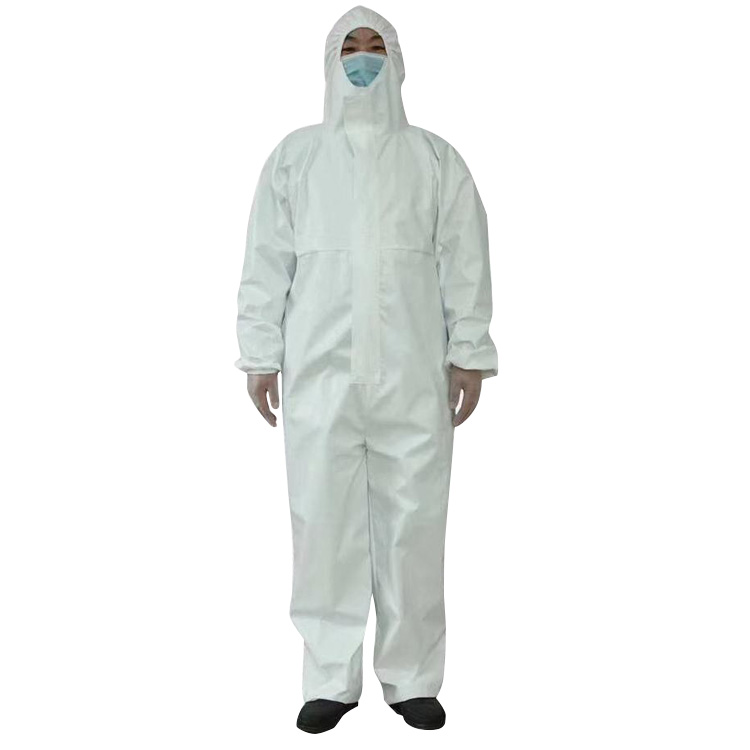
Table of Contents
- What is an Isolation Gown?
- Types of Isolation Gowns
- Materials and Protection Levels
- Proper Usage Guidelines
- Cleaning, Storage, and Disposal
- Key Benefits of Isolation Gowns
- FAQ
- Contact Information
What is an Isolation Gown?
An isolation gown is a protective garment designed to shield healthcare workers and patients from the transfer of microorganisms and body fluids. Used in hospitals, clinics, and laboratories, these gowns minimize contamination risks during medical procedures or patient care.
Key Features:
- Full coverage of the torso and arms
- Adjustable ties or Velcro fasteners
- Lightweight and comfortable for extended wear
- Designed to resist fluid penetration
Types of Isolation Gowns
Isolation gowns are categorized based on their intended use, fluid resistance, and regulatory standards.
| Type | Description | Best Use Case |
|---|---|---|
| Level 1 – Minimal Risk | Lightweight, basic barrier protection | Non-invasive procedures, low-risk environments |
| Level 2 – Low Risk | Moderate fluid resistance, better coverage | Blood draws, IV insertion |
| Level 3 – Moderate Risk | Higher fluid resistance, reinforced seams | Emergency rooms, outpatient surgery |
| Level 4 – High Risk | Maximum fluid resistance, full protection | Surgical procedures, high-exposure infectious wards |
Materials and Protection Levels
Isolation gowns are made from a variety of materials depending on the protection required:
- Polypropylene: Lightweight and breathable, suitable for minimal exposure.
- Polyethylene-coated fabrics: Enhanced barrier against fluids and microorganisms.
- SMS (Spunbond-Meltblown-Spunbond): Offers excellent balance of protection, comfort, and durability.
Protection levels often follow ANSI/AAMI PB70 standards, ranging from Level 1 to Level 4. Selecting the correct level ensures safety without compromising mobility or comfort.
Proper Usage Guidelines
Correct usage of isolation gowns is essential to maximize protection:
- Donning: Ensure hands are sanitized, wear gown with full coverage, fasten ties securely.
- During Use: Avoid touching the outside of the gown, limit movement in contaminated areas.
- Doffing: Remove gown carefully without touching the outer surface, dispose in designated biohazard containers if single-use.
Additional tips:
- Inspect gowns for tears or defects before use.
- Choose correct size to prevent exposure gaps.
- Follow hospital protocols for layering with gloves and masks.
Cleaning, Storage, and Disposal
Isolation gowns can be disposable or reusable:
- Disposable Gowns: Use once and dispose of safely according to local medical waste regulations.
- Reusable Gowns: Must be laundered in hot water with disinfectants, dried thoroughly, and stored in a clean, dry area.
Proper handling reduces contamination risks and extends the life of reusable gowns.
Key Benefits of Isolation Gowns
- Minimizes risk of cross-contamination between patients and healthcare workers
- Provides comfort and flexibility for long shifts
- Reduces exposure to bloodborne pathogens and infectious fluids
- Supports compliance with safety and regulatory standards
- Boosts confidence among staff by ensuring a safer working environment
FAQ
Q1: How long can I wear an isolation gown safely?
A: For disposable gowns, use for a single patient encounter. Reusable gowns can be worn throughout a shift but should be changed if contaminated.
Q2: Can isolation gowns be used outside of healthcare settings?
A: Yes, they are sometimes used in laboratories, manufacturing, or emergency response situations where fluid or contamination risks exist.
Q3: What is the difference between isolation gowns and surgical gowns?
A: Surgical gowns are specifically designed for sterile procedures and offer higher fluid resistance, while isolation gowns are primarily for general protective barriers.
Q4: Where can I buy high-quality isolation gowns?
A: JIBIMED provides premium isolation gowns with various protection levels. Visit JIBIMED Isolation Gown for details.
Contact Us
JIBIMED is committed to providing high-quality isolation gowns that protect healthcare professionals. For bulk orders, customization, or additional product information, contact us today and ensure your team stays safe with reliable protective solutions.
Send Inquiry


X
We use cookies to offer you a better browsing experience, analyze site traffic and personalize content. By using this site, you agree to our use of cookies.
Privacy Policy